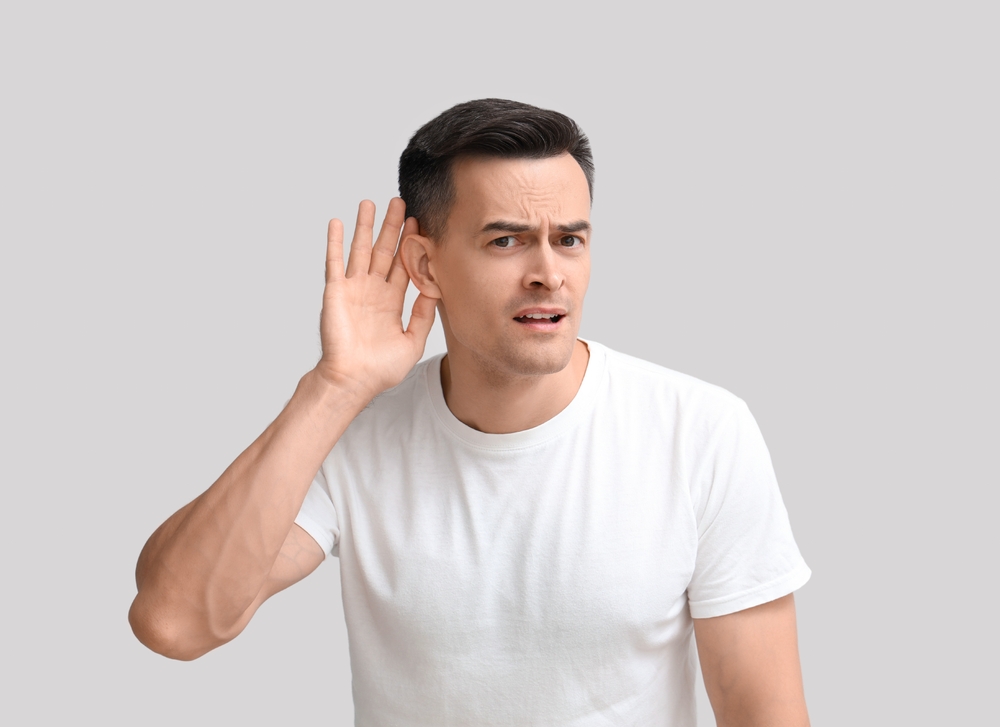
Have you ever felt totally drained after a long conversation or social gathering?
Many individuals mistakenly categorize this depletion as standard daily stress or emotional burnout. Certainly, for those with introverted tendencies or sensory processing sensitivities, social engagement is naturally taxing. However, in many clinical scenarios, the underlying driver is a neurological phenomenon known as auditory fatigue.
Auditory fatigue happens when your brain has to work harder to process sound. The brain’s attempt to reconstruct incomplete audio data requires an immense amount of “processing power” and neural energy. Over time, this constant strain can leave you feeling mentally exhausted.
It is common for patients to conflate auditory fatigue with general daily exhaustion. In many cases, persistent fatigue serves as a diagnostic “red flag” for early-onset hearing impairment. Undergoing a clinical screening can identify the extent to which hearing loss drives your daily fatigue. If this cycle of exhaustion is recurring, consult an audiologist to investigate the influence of hearing loss.
Why Your Brain Suffers from Auditory Fatigue
Various stressors can overtax the auditory cortex, leading directly to the onset of auditory fatigue.
Untreated Hearing Loss
Failing to address hearing loss is a major factor in the development of persistent auditory fatigue.
The inability to capture high-frequency sounds forces the brain to work double-time to interpret the message. Relying on context rather than clarity places an unsustainable burden on the brain during everyday conversations.
Noisy Environments
Locations with poor acoustics often act as a tipping point for auditory fatigue. Restaurants, meetings, family gatherings, and social events often include background noise competing with speech.
Processing concurrent audio streams requires the brain to perform intense “auditory scene analysis” to find the primary speaker. This intensive filtering often leads to cognitive overload, even in patients with “hidden” or sub-clinical hearing loss.
How Internal Noise Increases Listening Effort
Tinnitus, often described as ringing or buzzing in the ears, can also contribute to listening fatigue because the brain must process external sounds and internal noise signals simultaneously.
Sound distortion caused by hearing loss can further increase strain, forcing the brain to work even harder to understand speech.
Common Signs of Auditory Fatigue
Symptoms of auditory fatigue typically bridge the gap between mental clarity and physical stamina. Patients often present with the following indicators:
- Experience of deep cognitive depletion following verbal interaction
- Struggles with cognitive focus during collaborative sessions
- Onset of tension headaches following sustained auditory focus
- Increased emotional volatility in loud or busy environments
- Withdrawing from conversations or social events
- Needing a nap or quiet time after social interaction
Frequent presentation of these symptoms is a clear sign of neurological auditory over-exertion.
The Neurology of Effortful Listening
Clear auditory input allows the brain to interpret sound with virtually no conscious effort. Conversely, hearing loss forces the brain to redirect energy from other executive functions to assist in sound decoding.
Audiologists and neurologists define this extra effort as a high cognitive load. It’s where the brain redirects energy from other tasks (like memory and focus) to figure out what someone is saying. This continuous drain on the brain’s “battery” leads to chronic daily exhaustion. The effort required for even a 10-minute talk becomes disproportionately high.
Using Clinical Evaluations to Uncover Auditory Strain
If auditory fatigue is affecting your daily life, a professional hearing evaluation can help identify the cause. A full audiological exam involves testing your threshold for various frequencies and your word-recognition score. Specialized “speech-in-noise” testing is often used to uncover deficits that are invisible during standard quiet-room exams.
The results of a hearing test provide the roadmap for addressing both the impairment and the resulting burnout. By catching these changes in their infancy, you can implement solutions before they damage your social and professional life.
How Modern Technology Lowers Cognitive Load
Clinical intervention is proven to drastically reduce the mental burden of communication.
Advanced hearing aids utilize AI to sharpen speech signals while simultaneously suppressing irrelevant environmental noise. The brain can finally rest, receiving data that is easy to interpret and understand.
When listening becomes easier, many people notice improvements in:
- Sustained cognitive stamina during the workday
- Increased attention span during long discussions
- Reduced anxiety and heightened ease during social events
As the brain stops struggling to hear, the world of sound becomes a source of joy rather than a source of stress.
Recognizing the Right Moment for a Hearing Test
It may be time to schedule a hearing evaluation if:
- You experience burnout after standard verbal interaction
- You are increasingly told that you are missing parts of the conversation
- You find yourself “guessing” at words in loud settings
- You avoid social situations because listening feels difficult
Addressing hearing concerns early can help reduce listening strain and improve overall quality of life.
FAQs About Auditory Fatigue
Distinguishing Between Exhaustion and Impairment
There is a difference: the fatigue is the neurological byproduct of the effort to hear. While they are different, hearing loss is the direct driver of most fatigue cases.
Can hearing aids reduce listening fatigue?
Absolutely; by cleaning up the acoustic signal, modern devices take the processing load off the brain.
Is auditory fatigue permanent?
With the right treatment, the exhaustion associated with auditory fatigue is often completely reversible.
End Your Struggle with Auditory Fatigue Today
Socializing should replenish you, not leave you feeling drained. If listening leaves you mentally drained, your ears and brain may be working harder than they should.
Schedule your hearing test today by contacting us today. Reclaim your social life and your energy by getting the truth about your auditory health today.
