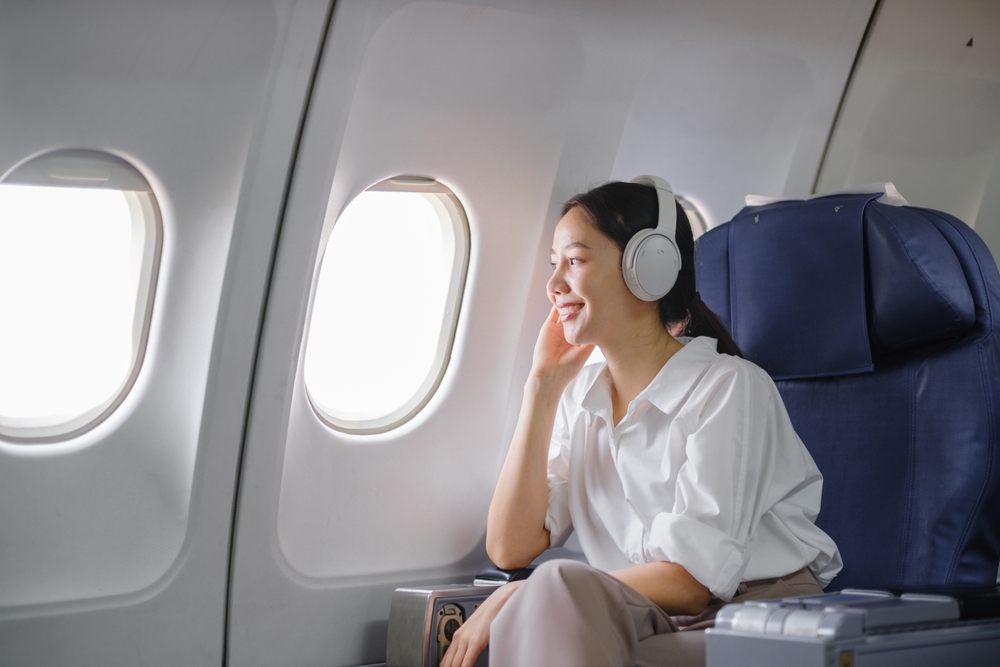
For people who deal with tinnitus, air travel can be a source of anxiety, as the flight may exacerbate their ear discomfort, adding to the normal pre-trip jitters about reaching their final destination. The increased noise inside the airplane, fluctuations in air pressure, and the stress associated with flying can all lead to a worsening or more bothersome experience of tinnitus. By grasping the impact of air travel on your ears and taking practical steps, you can significantly decrease distress and make your upcoming flight much more pleasant.
What is tinnitus and why does it surface in the air?
Tinnitus is the experience of hearing sound when there is no actual external sound present. For some people, it presents as a relentless ringing, while others may hear buzzing, clicking, whooshing, or static-like noise.
Tinnitus is frequently a warning sign of a deeper health issue or underlying condition, including:
- Inner Ear Damage: Exposure to loud noises or head trauma can damage the auditory system.
- Obstructions or Infection: Tinnitus can be triggered or exacerbated by fluid accumulation and infections in the ears.
- Some medications can be ototoxic to the inner ear, causing or worsening hearing and balance issues.
- Benign Tumors: Growths like acoustic neuromas might impact hearing and balance.
Tinnitus may be subjective (experienced only by the patient) or objective (audible to a clinician through a stethoscope-like device). When flying, a number of factors can worsen the symptoms, making travel more unpleasant for those impacted.
Understanding airplane ear and its link to tinnitus
“Airplane ear” is a term used to describe the sensation of fullness, pressure, or muffled hearing that frequently accompanies flying. It happens when the eustachian tubes– which regulate pressure in the middle ear– struggle to adapt to altitude changes during ascent or descent. If these tubes fail to open effectively, pressure imbalances can develop, causing discomfort or even pain.
Individuals who have tinnitus may find that this pressure inconsistency worsens their existing symptoms or activates additional ones. The added stress and sensory overload of a flight only magnify the problem.
Why flying can exacerbate tinnitus symptoms
A number of elements of air travel may intensify tinnitus:
- Loud jet engine noise inside of the plane can be especially bothersome close to the engines, potentially irritating sensitive ears and intensifying existing ringing in the ears, or tinnitus.
- Pressure Changes: During takeoff and landing, the quick changes in cabin pressure can impact how the eardrum and surrounding structures vibrate, which might trigger or heighten tinnitus.
- Travel-related anxiety, coupled with not enough rest or insufficient hydration, can exacerbate the experience of tinnitus, making it seem more pronounced and bothersome.
Travel tips for reducing tinnitus discomfort mid-flight
By putting a few easy safeguards into your flight routine, you can considerably decrease the discomfort and pressure in your ears during air travel.
- Using noise-canceling headphones can considerably minimize the distracting sounds of the plane’s engine, particularly during the loud periods of departure and arrival. You can also listen to relaxing music or white noise, which can help conceal the ringing in your ears.
- Choose Your Seat Wisely: If you can, pick a seat in the front of the aircraft, away from the engines. This location tends to be quieter and more conducive to a tranquil flight.
- Stay Away From Standard Earplugs: These types of earplugs can possibly intensify the problem by putting additional pressure on the inner ear, aggravating existing symptoms. As an alternative, try ear pressure-regulating earplugs made specifically for air travel.
- Chew Gum: To reduce discomfort, try chewing gum or swallowing regularly, as these basic actions can help maintain the patency of the eustachian tubes, promoting a more efficient balance of pressure.
- Take a Decongestant (If Authorized by Your Doctor): If you’re battling nasal congestion or allergies, consider taking an oral or nasal decongestant prior to flying to prevent obstructions in the eustachian tubes.
- Remain Awake During Ascent and Descent: Staying awake allows your body to naturally adapt to air pressure changes. Sleeping during these times can reduce the likelihood of active pressure adjustement.
Strategies for staying relaxed and entertained during a flight
Redirecting one’s attention can be a very effective strategy for dealing with tinnitus. Consider diverting your attention with stimulating distractions including audiobooks, comforting music, or brain teasers to shift your focus away. Practicing meditation using apps and doing breathing exercises can decrease anxiety associated with flying and decrease your awareness of tinnitus.
Before your flight, aim to get quality rest and stay hydrated. Steering clear of caffeine or alcohol on the day of travel may also help lessen symptoms related to the ears. And if you wear hearing aids, don’t hesitate to wear them on the plane– they might help you hear more naturally, reducing the prominence of the internal ringing or buzzing.
Seek professional guidance if tinnitus disrupts travel
If you frequently experience discomfort while flying due to tinnitus, it is recommended to get advice from a specialist in hearing health. A detailed assessment can pinpoint the hidden reason for your tinnitus and result in specific suggestions, such as personalized coping techniques or treatment plans, to better control instances of increased symptoms.
Arrange a consultation to assess your ringing in the ears symptoms now.
