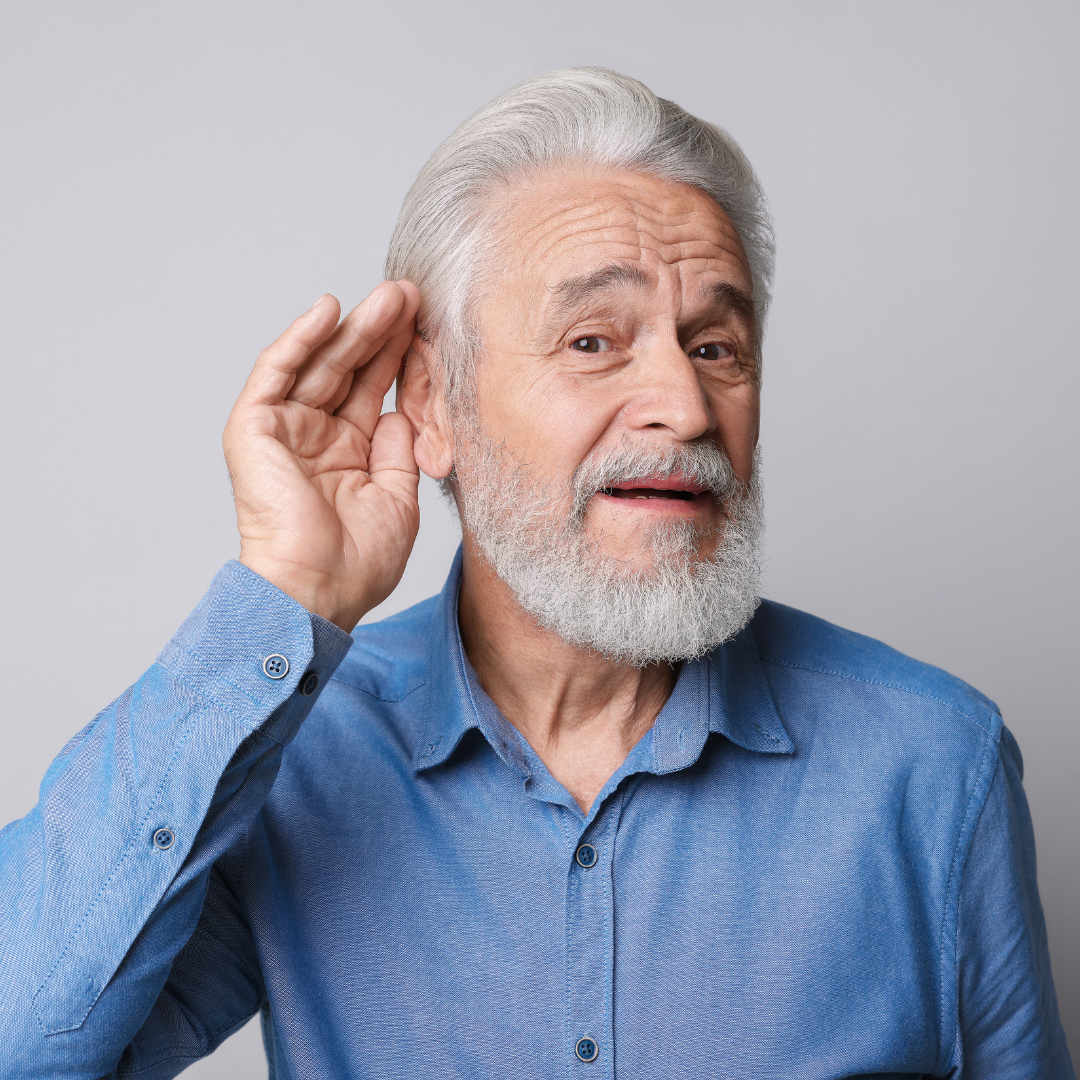
A sudden drop in hearing in one ear can be frightening and may leave those experiencing it unsure of their next steps. We provide immediate hearing assessments and coordinate urgent medical intervention when an acute auditory decline occurs. Any sudden hearing loss requires urgent clinical consultation with a hearing healthcare specialist to pursue immediate medical intervention or rehabilitation.
Is Sudden Unilateral Hearing Loss an Audiological Emergency?
Yes, unequivocally. Experiencing sudden hearing loss on one side constitutes a clinical emergency, especially when the drop happens over hours or a couple of days. Often designated as sudden deafness, sudden sensorineural hearing loss reflects damage to the inner ear cochlea or the acoustic nerve. Because it rarely causes localized otalgia, individuals frequently misinterpret the sudden loss as middle-ear congestion or a cerumen plug.
Possible signs include:
- A rapid decrease in volume or clarity on one side
- Struggling to hear or follow telephone speech on the compromised side
- A noticeable pop or sudden sensation of aural pressure just before hearing drops
- New ringing, buzzing, or roaring in the affected ear
- Co-occurring vestibular symptoms such as room-spinning vertigo, lightheadedness, or unsteadiness
Never postpone clinical evaluation while waiting to see if hearing improves on its own. Contact our audiology practice, an emergency department, or an ear, nose, and throat physician for immediate same-day direction.
Why Rapid Clinical Intervention Matters for Sudden Unilateral Hearing Loss
Prompt diagnosis is paramount because pharmaceutical therapies for sudden sensorineural hearing loss achieve optimal outcomes when initiated immediately. We will first need to determine whether the change is conductive, meaning sound is blocked by earwax, fluid, or another outer- or middle-ear problem, or sensorineural, meaning the inner ear or auditory nerve is affected. These conditions can feel similar but require different care.
A thorough physical ear inspection combined with a diagnostic hearing test isolates the exact type, audiometric shape, and severity of the loss.
Seek emergency care immediately if sudden hearing loss occurs with:
- Marked facial drooping, unilateral weakness, or loss of sensation
- Dysarthria (slurred speech), acute cognitive confusion, or an atypical, severe headache
- Double vision, fainting, or difficulty walking
- Chest pain or other signs of a medical crisis
These severe symptoms may reflect critical neurological compromise or vascular pathology and must never be managed through a standard appointment.
What Triggers Sudden Deafness in a Single Ear?
In most clinical diagnoses of sudden sensorineural hearing loss, the precipitating cause remains completely idiopathic. If an underlying cause is identified, it typically entails tissue inflammation, physical injury, microcirculatory failure, autoimmune disease, or specific cochlear nerve disorders.
Common clinical factors include:
- Viral cochleitis or secondary bacterial infections
- Traumatic brain injury, temporal bone fracture, or acute acoustic trauma
- Autoimmune conditions
- Prescription drug ototoxicity impacting the auditory receptor cells
- Acute circulatory compromise or cochlear microvascular infarction
- Idiopathic inner ear conditions including fluctuating Ménière’s disease
- Central nervous system conditions, such as progressive multiple sclerosis
- A growth on the hearing and balance nerve
Because presenting symptoms cannot reliably differentiate these underlying etiologies, immediate otologic examination and audiologic testing are imperative.
How Can Sudden Sensorineural Hearing Loss Be Treated?
Prescription corticosteroids are the gold-standard treatment when sudden sensorineural hearing loss develops without an overt etiology. These medications may be prescribed orally or delivered through intratympanic injections across the tympanic membrane to access inner ear fluids directly. Our clinical team outlines therapeutic options tailored to your specific case, factoring in symptom latency, severity of the loss, comorbid medical conditions, and medication tolerances.
Corticosteroid therapy is standardly initiated within the first two weeks post-onset, making it vital to commence treatment as early as clinically feasible. Serial intratympanic steroid injections can also be utilized as a secondary salvage therapy if initial oral treatment achieves incomplete recovery. In select patient profiles, your physician may review hyperbaric oxygen therapy integrated with systemic corticosteroid protocols.
The Reality of Spontaneous Recovery in Sudden Hearing Loss
It is clinically possible for sudden sensorineural hearing loss to improve without active medical care. Roughly half of individuals with the condition experience spontaneous partial or complete auditory recovery, primarily during the initial two-week period. However, modern medicine possesses no validated mechanism to determine early on which individuals will recover, what volume of sound will return, or if gains will endure.
Relying on the chance of spontaneous improvement is never a valid justification for delaying immediate medical care. Treatment becomes less likely to reverse permanent loss when it starts weeks after the change, so waiting may close an important treatment window. Recovery may be complete, partial, or minimal.
Rehabilitation Options for Treatment-Resistant Sudden Hearing Loss
If hearing does not fully recover, the next step depends on how much hearing remains, how well the affected ear understands speech, and whether an underlying cause has been ruled out. Our team may order a dedicated internal auditory canal magnetic resonance imaging (MRI) scan or an auditory brainstem response (ABR) evaluation to assess the vestibulocochlear nerve and cerebellopontine angle.
Long-term audiological rehabilitation options include:
- Custom programming of a traditional hearing aid when the ear maintains usable acoustic thresholds
- A wireless CROS system that captures incoming sound on the impaired side and transfers it to the better-hearing ear
- A surgical or non-surgical bone-conduction device for medically appropriate clinical candidates
- Cochlear implantation designed to restore binaural hearing in qualifying cases of single-sided deafness
- Specialized assistive listening devices (ALDs) to support communication during professional, educational, or social demands
Individualized audiologic rehabilitation actively addresses listening fatigue, compromised directional localization, and conversational strain. Choosing the best rehabilitative device hinges upon clinical hearing test scores, communication environments, medical background, and individual preferences.
Contact Us for an Urgent Hearing Assessment
When hearing changes abruptly today or within the preceding few days, obtain same-day medical advice rather than scheduling a routine visit. Our clinical team will administer diagnostic hearing tests, analyze interaural differences, evaluate symptom onset chronology, and coordinate with an otolaryngologist or medical team immediately.
Reach out to our team immediately to request a prompt diagnostic hearing evaluation.
