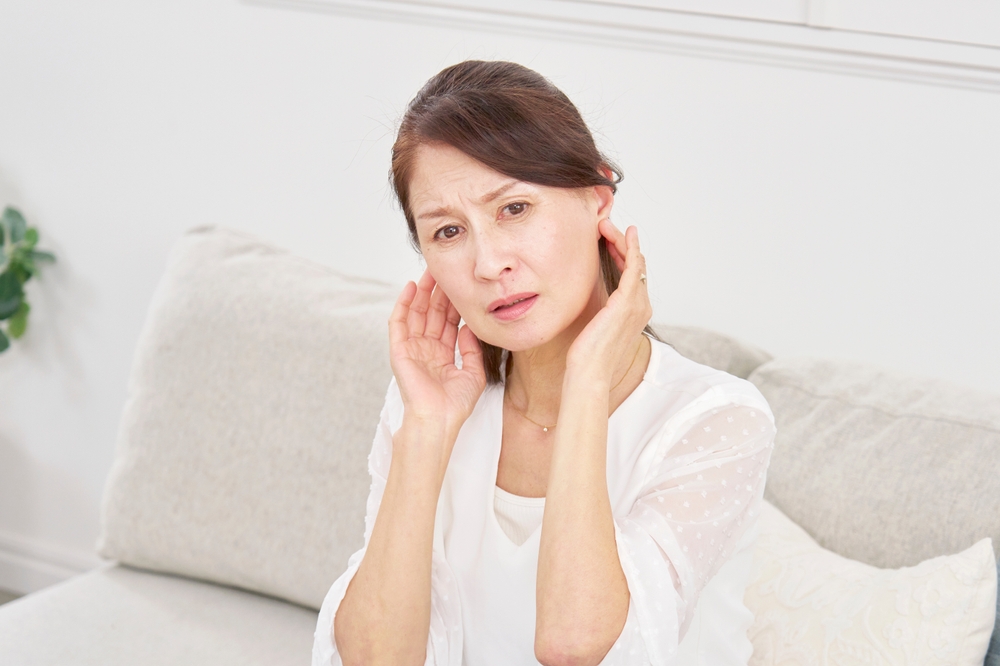
Starting your day only to find your hearing has vanished creates an instant sense of dread. The experience of losing hearing instantly, especially in the absence of pain, is inherently distressing. While simple blockages are frequent, more critical auditory conditions require a rapid medical evaluation.
Grasping the standard reasons behind sudden deafness and knowing when to seek for help is critical for your long-term health. Below, we’re looking at sudden hearing loss, possible causes, and how to access professional care.
Defining the Parameters of Sudden Hearing Loss
Sudden hearing loss generally refers to a rapid decline in hearing that occurs within a few hours or up to three days. It may affect one ear or, less frequently, both. Presentations include dullness of sound, persistent ringing, a feeling of pressure, or an inability to follow conversation.
Identifying Sudden Sensorineural Hearing Loss
SSHL stands as one of the most critical conditions for an audiologist to investigate quickly.
This impairment occurs when there’s a problem with the inner ear, auditory nerve, or brain pathways involved in hearing. The origin is frequently idiopathic, though medical professionals identify several likely contributing elements:
- Decreased blood flow to the inner ear
- Internal swelling and abnormal immune system activity
- Underlying viral triggers affecting the ear
- Central nervous system irregularities
Since the window for successful treatment is so narrow, SSHL is treated as an urgent crisis where early care dictates the outcome.
Infection-Based Auditory Loss
Pathogenic activity often leads to swelling in the auditory canal, resulting in significant auditory changes.
Medical research links the following viruses to swift changes in hearing acuity:
- Viral cold and nasal infections
- Influenza
- Viral strains within the herpes group
- COVID-19–related viral effects
Hearing changes may appear during or shortly after an illness and can be accompanied by dizziness or ear fullness.
Traumatic Triggers for Hearing Change
Direct impact to the skull, swift shifts in ambient pressure, or intense sound blasts can harm the ear’s internal mechanisms.
Common drivers of injury-based hearing loss involve:
- Physical impact to the skull
- Rapid pressure changes such as barotrauma
- Chronic loud sound exposure
- Fluid leaks or shifts inside the labyrinth
Relatively small impacts can still compromise auditory function, particularly if shifts manifest immediately following the event.
Conductive Blockages: The Role of Earwax
Though cerumen buildup is typically benign, a significant blockage can trigger an immediate shift in auditory clarity.
Obstruction-based hearing impairment often:
- Develop quickly
- Result in a feeling of obstruction or “stuffiness”
- Show a distinct unilateral bias
- Improve once the blockage is safely removed
It is vital to remember that home evaluation is insufficient for determining the true source of sudden deafness. That’s why professional evaluation is critical.
Other Possible Causes of Sudden Hearing Loss
The following conditions are also recognized as potential sources of sudden hearing decline:
- Adverse effects from specific pharmaceuticals
- Blood flow conditions
- Systemic autoimmune attacks on the inner ear
- Rare growths affecting the auditory nerve
A detailed assessment by an expert provides the clarity needed to rule out these rare conditions.
The Critical Importance of Immediate Intervention
It is essential to understand that delaying evaluation for sudden hearing loss is a significant risk.
Fast evaluation can:
- Determine if the hearing loss is medically reversible
- Improve the effectiveness of treatment
- Mitigate the risk of permanent auditory deterioration
- Limit the personal and personal toll of long-term hearing impairment
Hearing assessment plays a key role in determining the type and severity of hearing loss and guiding next steps.
Criteria for Emergency Audiology Consultation
It is imperative to consult a professional immediately if you notice the following:
- Sudden hearing loss in one or both ears
- Hearing impairment coinciding with physical instability
- Abrupt auditory buzzing or a feeling of congestion
- Auditory decline following a sickness or physical trauma
Though your hearing may seem to recover slightly, a professional check-up is still vital for a full diagnosis.
Utilizing Diagnostics for Fast Hearing Results
Modern testing quickly identifies the specific category of the loss, such as:
- A conductive issue involving the middle ear or ear canal
- A sensorineural problem involving fragile neural pathways
- Temporary or potentially permanent
The sooner testing occurs, the more likely you are to achieve a positive medical outcome.
Final Thoughts on Addressing Abrupt Hearing Loss
Abrupt hearing changes are naturally frightening, yet prompt action is your best path toward restoration.
Securing an expert assessment following a sudden auditory shift is the only safe way to safeguard your long-term wellness. We are standing by to help manage your abrupt hearing changes: Reach out to our team today for priority care.
