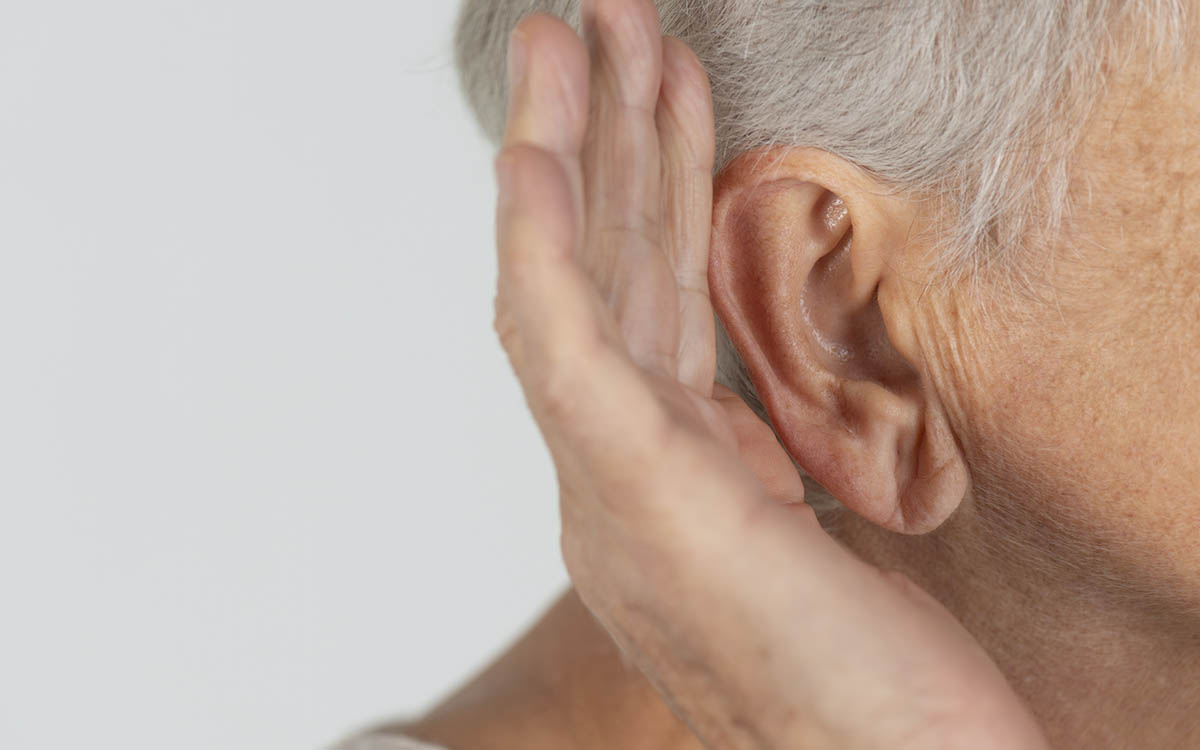
Public perception frequently ties hearing loss with getting older, yet for a vast number of citizens, ear injury manifests significantly sooner. Noise-induced hearing loss is one of the most common and preventable forms of damage to our hearing, escaping notice until it becomes a permanent condition.
Understanding how noise exposure impacts your ears over time allows for preventative measures before significant hearing loss occurs.
Identifying the Clinical Indicators of Noise-Related Hearing Loss
Noise-induced hearing loss occurs when loud sounds damage the delicate structures inside the inner ear. The Centers for Disease Control and Prevention state that, auditory impairment may begin with chronic exposure to noise levels over 85 decibels. Louder sounds, like those from concerts, power tools, or firearms, can cause damage in minutes or even seconds.
Within the cochlea are specialized sensory structures referred to as hair cells. These cells convert sound vibrations into electrical signals that your brain interprets as sound. Once damaged, hair cells do not regenerate, making this form of hearing loss a lifelong auditory deficit.
Understanding How Ear Injury Accumulates Incrementally
It is clinically significant that noise-induced hearing loss often manifests through a slow, cumulative process. Initial signs of auditory overexposure may present as:
- Occasional instances of Tinnitus, characterized by ringing or buzzing sounds
- Subjective hearing attenuation or muffling after high-decibel events
- Reduced ability to distinguish vocal communication in loud surroundings
While these preliminary indicators may dissipate, this should not be mistaken for complete physiological recovery. Despite the lack of symptoms, persistent noise exposure causes cumulative injury to the ear, slowly reducing hearing clarity and sensitivity over time.
Statistics from the HLAA suggest that 48 million Americans have some form of hearing loss, many unaware of the underlying cause.
Identifying Routine Acoustic Risks to Auditory Longevity
The prevalence of loud sounds in daily life often results in a dangerous desensitization to harmful noise levels. As a result, many individuals remain unaware of the clinical prevalence of damaging noise exposure.
Potential sources include:
- Professional music performances and concert environments
- Personal audio devices utilized at excessive decibel levels
- Gas-powered lawn tools, industrial machinery, and motorcycles
- Workplace noise in construction, manufacturing, or warehouses
The everyday occurrence of these sounds allows for progressive damage to develop without obvious warning.
The Critical Role of Preventative Measures
In contrast to certain medical conditions, noise-induced hearing loss is characterized by its permanent nature. The condition is, however, susceptible to effective preventative strategies. Simple protective habits can significantly reduce risk, including:
- The application of earplugs or attenuation earmuffs in loud areas
- Limiting headphone decibels and implementing the 60/60 rule for safe listening
- Incorporating auditory rest periods to allow for physiological recovery
- Ensuring consistent Audiology check-ups for those in high-noise environments
Professional Benchmarks for Consulting Hearing Screenings
If you notice persistent ear ringing, difficulty following conversations, or changes in hearing clarity, you should seek evaluation from a hearing professional. Prompt clinical evaluation is vital for tracking auditory status and formulating effective hearing preservation plans.
Prioritizing auditory health now ensures the preservation of hearing clarity for the future. Noise may be unavoidable, but hearing loss doesn’t have to be!. We invite you to schedule an appointment with our team to optimize your hearing function.
