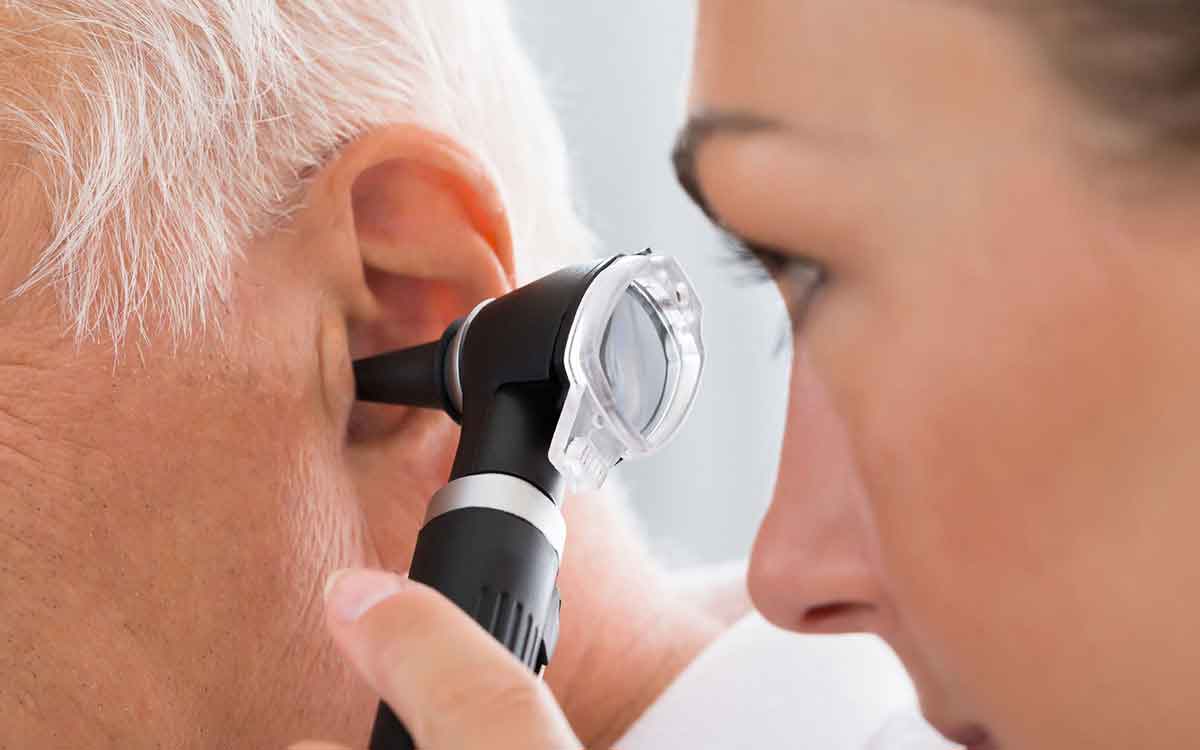
Because hearing loss typically progresses slowly, early indicators frequently go unnoticed by the individual. It is common for people to adjust to hearing shifts by elevating device volume and avoiding social situations with significant background noise.
Seeking an early evaluation facilitates efforts to maintain auditory function, improve communication, and safeguard overall quality of life.
Frequent Indicators of Initial Auditory Decline
Should you encounter any of these indicators, consider arranging a professional hearing assessment to establish a baseline.
- Reduced clarity during dialogue in loud or crowded environments.
- Frequently asking people to clarify their statements.
- Muffled or blurred vocalizations, making it difficult to distinguish specific sounds.
- Requiring increased decibel settings for media beyond the comfort of family members.
- Trouble hearing higher-pitched sounds, such as children’s voices, birds, or electronic alerts.
- Ringing, buzzing, or humming in the ears (tinnitus).
- Feeling cognitively fatigued after social interactions, due to increased efforts to hear better.
- Withdrawing from social situations as conversations feel overwhelming.
Preliminary indicators of auditory decline might manifest in either one or both ears and fluctuate in frequency initially. Since the auditory cortex adapts to changes, compensatory behaviors often go unnoticed until clinical hearing loss is substantial.
Auditory Health: Current Statistics and Projections
The World Health Organization estimates that hearing rehabilitation requirements will affect 700 million people by 2050. Other significant statistics consist of:
- By 2050, approximately 2.5 billion people are expected to experience some degree of hearing loss.
- More than five percent of the global community (roughly 430 million people) requires rehabilitation to manage disabling hearing loss.
- More than 1 billion younger individuals are at risk of permanent hearing loss due to hazardous acoustic habits.
- Among those over the age of sixty, over 25% suffer from disabling hearing loss.
Why Early Detection is Key
If left unaddressed, hearing loss may affect various aspects of your health beyond simple communication.
Research associates hearing loss with increased risks of social isolation, mental health challenges, cognitive decline, and equilibrium problems.
Recognizing changes at an early stage ensures optimal results and diverse therapeutic choices.
A clinical screening identifies if hearing fluctuations are the result of aging, earwax impaction, or different medical factors.
Certain auditory fluctuations remain temporary and resolve with appropriate medical care.
In addition, utilizing protective measures or digital hearing aids at the onset can slow the progression of hearing loss.
Indications for a Professional Hearing Evaluation
Professional consultation is recommended if you observe:
- Early signs last longer than a few weeks.
- Difficulty hearing begins to impact work or personal routines.
- If you encounter sudden hearing loss, vertigo, or chronic ear ringing (this should be evaluated promptly).
Hearing evaluations are noninvasive and provide essential data about your ear health.
We invite you to reach out to our clinic if you believe a hearing screening is necessary.
Frequently Asked Questions: Recognizing Auditory Decline
Q: Is hearing loss always age-related?
Answer: Not necessarily. Although presbycusis is prevalent, auditory shifts can stem from noise trauma, ototoxic drugs, or genetic factors.
Q: Can auditory impairment be clinically reversed?
Answer: Specific causes, including earwax blockage, may be susceptible to reversal through treatment. Other types are permanent but can often be effectively managed with treatment or hearing devices.
Q: At what intervals should I have my hearing evaluated?
A: A baseline screening is advised by age 50, or sooner if clinical symptoms manifest.
