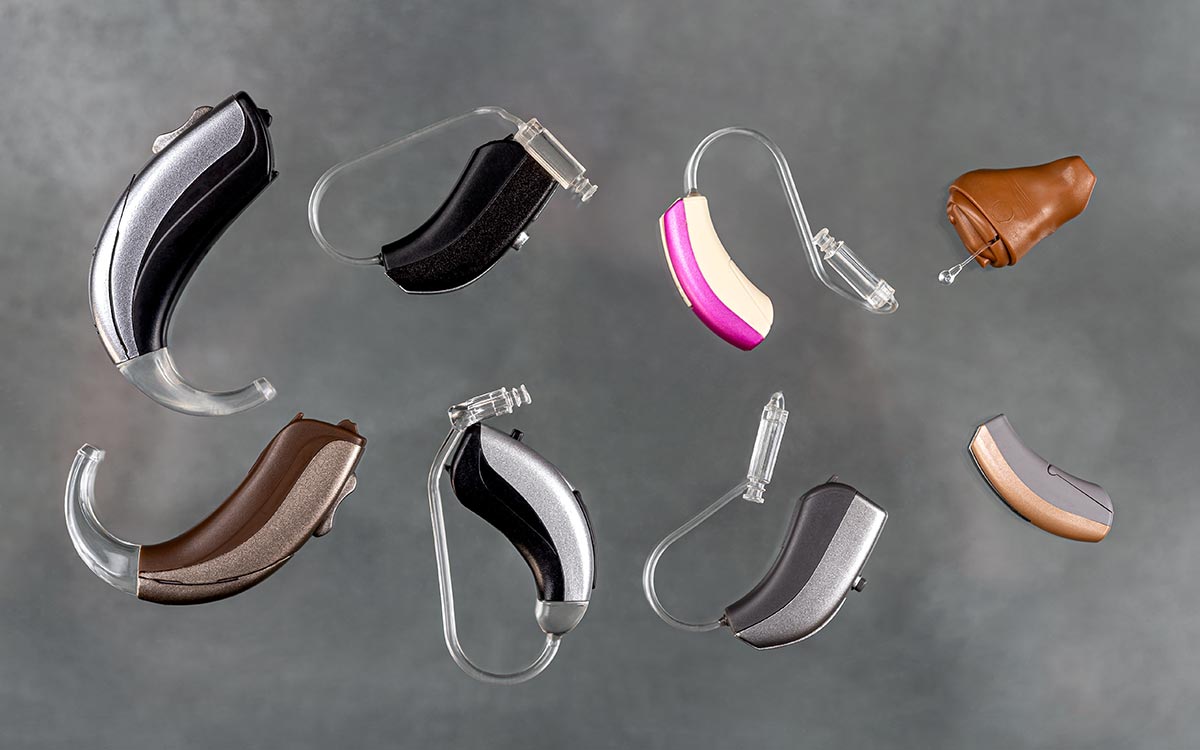
With so many options in terms of size, style, and technology, the process of picking an instrument can feel quite intense. But regardless of your needs, there’s an auditory solution for every lifestyle, preference, and degree of hearing loss or tinnitus. Success lies in locating the specific aid that meets your personal preferences.
Gaining an accurate picture of common hearing aid categories will empower you to make a wise decision for your hearing health. We are going to study the primary styles available today to help you understand what sets each option apart.
In-the-Canal (ITC) Hearing Aids
What they are:
A custom device is designed to rest partially within the ear canal while showing just a small section in the outer ear area.
Key Primary Features:
- Provides an understated look compared to traditional styles
- Specifically contoured to the user’s ear for an optimal fit
- Appropriate for mild to moderate hearing loss
Because they provide both discretion and useful features, ITC models are a top pick for those new to hearing technology.
IIC (Invisible-in-Canal) Technology
How they function:
IIC models are the most miniature custom-fitted hearing solutions you can choose. They rest deeply inside the ear canal and are virtually invisible when worn.
Primary Motivations:
- Offers the most subtle look of any hearing aid style
- Strategic positioning allows for a very organic listening experience
- So light and small that users frequently forget they are wearing them
Due to their miniature build, these aids are generally recommended for low-to-mid-range hearing loss and users who want total invisibility.
Understanding In-the-Ear (ITE) Devices
What they represent:
An ITE hearing aid rests securely within the outer ear, available in both full-shell and half-shell configurations. These are custom-fabricated for an exact match based on your ear’s anatomy.
The Advantages:
- The bigger size makes it feasible to include more internal components and longer-lasting batteries
- Provides a more manageable experience for those who struggle with tiny accessories
- A versatile option that can address even significant levels of hearing loss
ITE models are often selected by people who want a simple, all-in-one design without behind-the-ear components.
Exploring BTE (Behind-the-Ear) Styles
Technical Data:
These devices sit on the outer ridge of the ear’s anatomy. Audio travels through a dedicated tube or custom-fit mold into the ear opening.
Reasons for Choosing:
- Known for remaining exceptionally adaptable and robust
- Can be set to assist users with everything from mild to profound loss
- Provide space for advanced features and rechargeable batteries
For those who prioritize a dependable device that is easy to manage and provides plenty of volume, BTE is a top choice.
The RIC Style Breakdown
Design Specs:
While they match BTE units, RIC aids set the speaker directly in the canal for better sound delivery.
Why users select them:
- Very natural sound quality
- The ultra-thin style is equally light and nearly effortless to wear
- An adaptable solution that works for various degrees of auditory needs
Thanks to their ease and aesthetic beauty, RIC devices have become an industry standard.
Understanding Long-Term Solutions
Operational Details:
An audiologist places these specialized hearing aids deep into the canal, where they stay for multiple weeks.
User Incentives:
- Perfect for wearers who want to bypass the routine of handling hearing aids daily
- Offers a 100% discreet solution for hearing health
- Engineering enables them to stay in the ear during all facets of daily life
If you want an auditory solution that requires zero daily thought, the extended-wear style is perfect.
Smart Hearing Aids with Wireless
Digital Features:
Auditory aids with wireless connectivity that sync with smartphones, tablets, computers, and sometimes TVs.
Why go wireless:
- Allows for sharp phone calls and media streamed directly to the device
- Gives you the ability to fine-tune your volume and programs via an electronic app
- Enhances daily life by making technology engagement seamless and clear
This wireless technology is located in many modern behind-the-ear and in-the-canal models.
Surgically Placed Middle-Ear Solutions
Technical Description:
Middle-ear implants are specialized instruments that employ mechanical vibration to enhance hearing via the middle ear.
Why people pick them:
- An accessible route for patients who are unable to wear standard acoustic devices
- Ideal for users who experience chronic irritation from standard molds
These devices require a thorough medical review by an ear, nose, and throat expert.
Choosing the Right Model for Yourself
Every hearing aid style provides its own advantages, and the right option depends on your level of hearing loss, comfort preferences, lifestyle, and cosmetic considerations. A hearing professional is your best resource for evaluating these options and finding an ideal choice for your daily routine.
If you’re ready to explore the possibilities, schedule an auditory evaluation today. It is the most important step you can make toward a more vibrant and confident life.
Sources:
https://www.mayoclinic.org/diseases-conditions/hearing-loss/in-depth/hearing-aids/art-
20044116
https://www.hearinglife.com/hearing-aids/types
https://www.nidcd.nih.gov/health/hearing-aids
