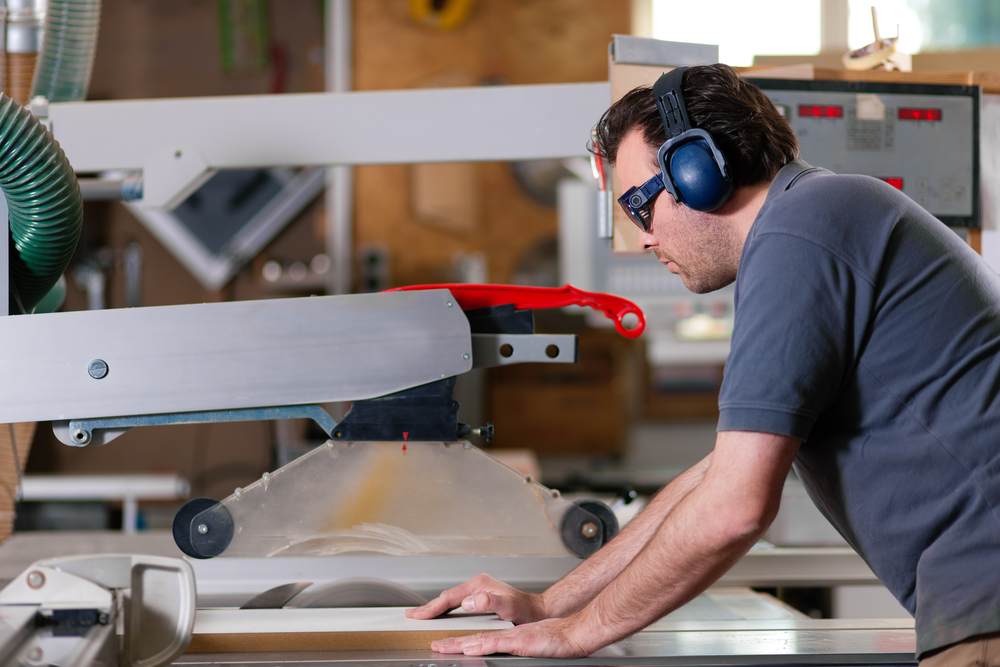
Prolonged exposure to sound can take a significant toll on your hearing health, chiefly in environments where sound levels exceed safe thresholds. Protecting your ears is essential—not only for preventing hearing loss but also for maintaining focus in noisy environments. Hence, what steps should you implement to choose the ideal hearing protection level matched to your requirements?
How noise levels influence your hearing
When assessing the effect of noise, the duration of exposure is as critical as the sound’s intensity. We use dB—a unit that quantifies sound volume—as the main metric for comprehending noise levels. When sound levels hit 85 dB or higher, they can begin to damage your hearing, especially with extended exposure.
To provide a reference, 85 dB is equal to the sound of urban traffic when perceived from inside a vehicle. Despite it not sounding too loud, eight hours of continuous exposure at this level can initiate damage to your hearing. As the sound increases in volume, the duration of time you can be exposed safely decreases:
- 90 dB (Lawnmower): Up to 4 hours of exposure can be harmful.
- You should keep exposure to 100 dB (such as Power tools) to one hour or less.
- 110 dB (Leaf blower): Just 15 minutes of exposure can cause damage.
- 120 dB (Rock concert): Any exposure at this level can damage your hearing.
- 140 dB (Jet engine): Immediate damage and pain can occur.
Determining dangerous levels of noise
It is paramount to use hearing protection if your regular exposure is to noise levels exceeding 85 dB. This is particularly true in job sites like building areas, factories, or any setting where machinery, tools, or gear produce excessive noise.
Even outside of the workplace, there are situations where hearing protection can be advantageous—attending gigs, using leaf blowers, or engaging in recreational shooting sports are all pursuits that can expose you to dangerous noise levels.
Choosing protection using Noise Reduction Ratings
Hearing protection efficacy is quantified using the Noise Reduction Rating (the NRR) scale. The NRR value shows the level of sound attenuation, given in dB, that the protector provides. A higher reduction in sound is guaranteed by higher NRR ratings. For illustration, earplugs with an NRR of 30 dB can decrease an 85 dB noise level to 55 dB, keeping you well within safe exposure bounds.
When deciding on your protection, you should evaluate the actual noise intensity you are exposed to and verify the device provides the required reduction to keep the volume below 85 dB.
The critical function of comfort in consistent protection
Comfort is a factor of similar significance to the NRR, as it strongly impacts whether you will use the protection consistently for the extended period. You might be tempted to take off the protection if it is uncomfortable or cumbersome, thereby exposing your ears to harmful sound.
Choosing comfortable hearing protection ensures consistent wear, thus decreasing the danger that you will be exposed to noise occasionally. To demonstrate, heavy or ill-fitting earmuffs may be removed by the wearer periodically, subjecting their ears to harmful sound levels.
A look at the different options of hearing protection
Different forms of hearing protection are available, and each one features unique advantages and drawbacks:
- Inserted into the ear canal, Foam Earplugs provide superb noise reduction. They are disposable and light, yet some individuals may find them uncomfortable.
- Resting right outside the ear canal, Pre-Molded Earplugs are reusable and thus a more eco-friendly choice. They are simpler to take out and put in than their foam counterparts.
- Enclosing the whole ear, Earmuffs are perfect for settings where noise volume changes, as they can be easily removed and replaced. Their drawbacks include potentially feeling warm or heavy over a long period.
The best choice of protection is dependent on your personal comfort and the particular requirements of your environment. An example is construction workers favoring earmuffs for their simple convenience, while factory workers may choose earplugs for a full day of wear.
Maintaining steady use of protection
The most effective hearing protection is always the device that you consistently keep in place. Any break in use, even for a short period of minutes, can have lasting effects for your hearing health. It is extremely necessary to identify a solution that optimizes between comfort, protection, and convenience for this reason.
Protect your hearing for the long haul
We are constantly surrounded by noise, yet choosing the appropriate protective device guarantees your ears are protected, allowing you to continue enjoying your acoustic surroundings.
Speak with us now to review your potential of noise-induced hearing loss and learn how to effectively preserve your hearing health.
