As we get older, we tend to keep a close eye on our health, regular exams, blood pressure checks, and eye tests. But one crucial area often gets overlooked: our hearing!
Many individuals are unaware of the pervasiveness of hearing loss, which frequently develops gradually, specifically as people reach the age of 50 and older. The good news? Regular hearing exams are fast, painless, and can make a significant difference in your general health and quality of life!
Hearing impairment: a prevalent issue that is frequently undetected
Hearing loss doesn’t always appear like cranking the volume all the way up or asking people to repeat what they said. It can be subtle initially, like missing parts of conversations, especially in noisy places, or feeling like people are mumbling more often.
As a matter of fact, 1 in 3 adults over age 65 are experiencing hearing loss, and around 28% over 52 have trouble with daily activities because of this. The main problem stems from the fact that hearing loss tends to progress gradually, leading people to frequently undervalue the extent of their impairment until it starts to impact their social relationships, job performance, or emotional well being.
Why hearing tests after age 50 matter
Exactly like an annual physical or vision screening, a hearing test is a proactive way to safeguard your health. Here’s why they matter:
Early diagnosis means early response
The earlier hearing loss is caught, the easier it is to manage. Routine assessments allow audiologists to track changes over time and suggest solutions before the issue becomes more advanced.
Hearing health is connected to brain health
Research has shown that untreated hearing loss is linked to an increased risk of cognitive decline and dementia.
When hearing is compromised, the brain uses more effort to make up for the missing information, resulting in increased mental exhaustion and a decline in mental abilities over time.
Better communication, stronger relationships
Frustration, social isolation, and depression could result from hearing loss. Straining to hear or misunderstanding others on a routine basis can have an unfavorable effect on both your personal and professional relationships. Managing hearing issues helps maintain meaningful relationships.
Balance and safety can be impacted by hearing
Your ears do more than help you hear– they also play a role in your equilibrium and spatial awareness. Hearing loss has been linked to an increased risk of falls, specifically in older people.
What to expect during a hearing test
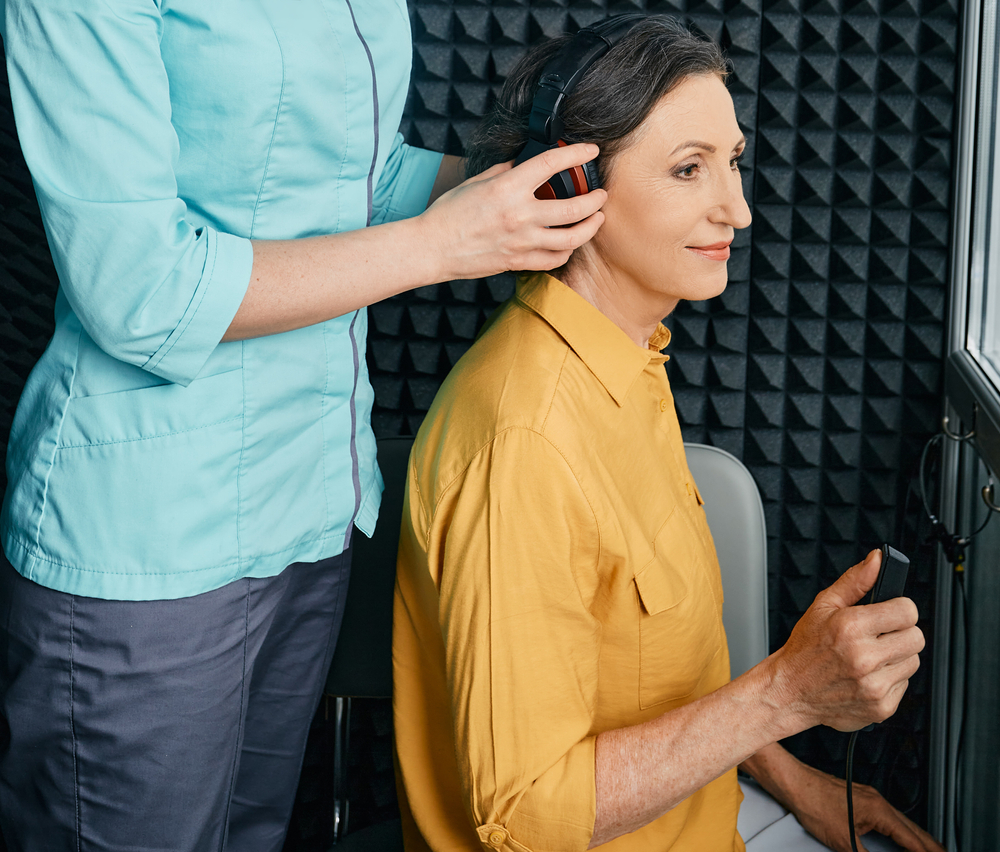
An audiological evaluation is a fast and relaxed process that usually lasts under 60 minutes. You will consult with a hearing specialist who will:
- Share your concerns and symptoms
- Utilize headphones to evaluate your auditory perception of various frequencies
- Sometimes perform speech recognition tests or other evaluations
If hearing loss is identified, you’ll discuss options, which might include hearing aids, assistive devices, or lifestyle adjustments to improve your hearing health.
How often should you get a hearing exam?
Experts suggest a baseline hearing test at age 50, followed by annual or biannual checkups, particularly if you:
- Discover some amount of hearing decline
- Have a family background linked to hearing problems
- Are exposed to loud noises on the job or in past workplaces
- Already use hearing aids
Take control of your hearing health now
How you engage with the world is influenced by your ability to hear. Routine assessments after 50 can help you stay sharp, socially active, and independent– and they’re one of the easiest health checks you can schedule.
Need help getting started? Reach out to us now to schedule a comprehensive hearing assessment. Whether you’ve noticed changes or just want peace of mind, hearing specialists are here to support your hearing– and your health– every step of the way!
